Geotechnical laboratory testing forms the critical backbone of any successful construction or civil engineering project in Carlow. This category encompasses the full suite of physical and mechanical tests performed on soil and rock samples to determine their engineering properties. From assessing a soil's strength and compressibility to understanding its behaviour when wet or dry, laboratory analysis provides the quantitative data engineers need to design safe and stable foundations, earthworks, and retaining structures. Without this rigorous scientific evaluation, projects risk unforeseen settlement, slope instability, or even catastrophic failure, making the laboratory an indispensable phase in the ground investigation process.
Carlow's geological landscape presents a fascinating and demanding challenge for construction. The region is underlain by a complex mix of Carboniferous limestone, often mantled with glacial tills deposited during the last Ice Age. These tills can be highly variable, ranging from stiff boulder clays to softer, laminated silts. Overlying these are often alluvial deposits in the valleys of the River Barrow and its tributaries, which can include soft, compressible clays and silts with high organic content. Understanding this local stratigraphy is paramount, and laboratory tests like Atterberg limits are essential for classifying these fine-grained soils and predicting their volume change potential, a key consideration in Carlow's variable moisture conditions.
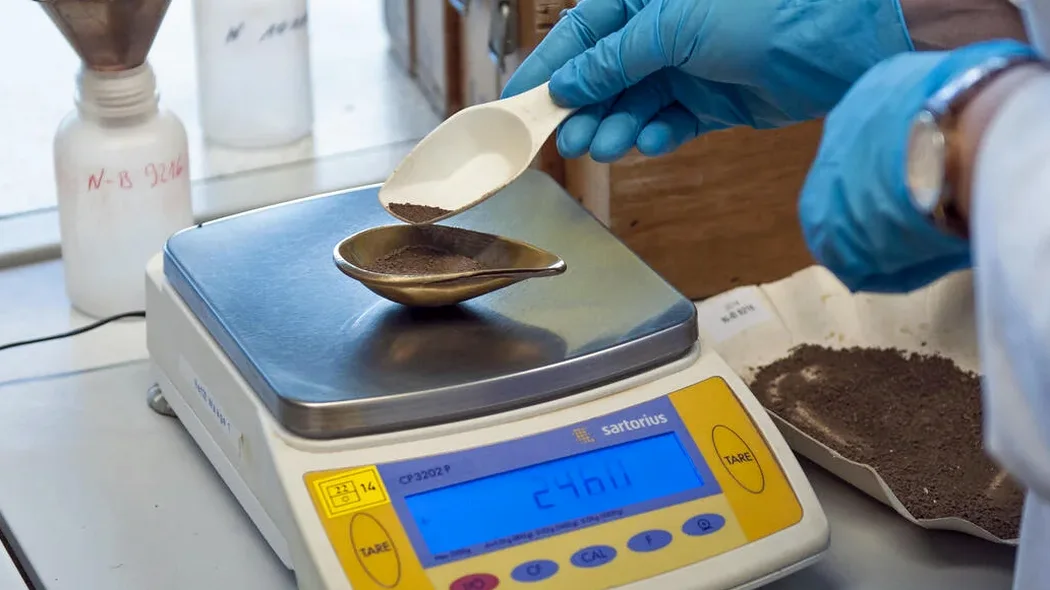
All laboratory testing conducted for projects in Carlow must strictly adhere to Irish and British standards, ensuring consistency, reliability, and acceptance by regulatory bodies. The primary framework is the British Standard BS 1377, which details methods of test for soils for civil engineering purposes. This is complemented by the testing standards from the UK's Manual of Contract Documents for Highway Works (MCHW) and specifications from the National Standards Authority of Ireland (NSAI), including IS EN ISO 17892 for geotechnical investigation and testing. These standards govern every aspect of the process, from sample preparation and storage to the calibrated equipment and procedural steps used in tests like the grain size analysis, guaranteeing that results are defensible and comparable across different laboratories and projects.
The demand for professional laboratory services in Carlow spans a wide array of project types. Residential and commercial developments require foundation design parameters, while major infrastructure projects, such as the M9 motorway upgrades or flood relief schemes along the River Barrow, depend on precise compaction characteristics and permeability data. Agricultural engineering projects, prevalent in the county, also rely on soil testing for drainage design and nutrient management. Each project, from a single house extension to a new wind farm in the foothills of the Blackstairs Mountains, generates soil samples that must be carefully analysed to de-risk the investment and ensure long-term performance and safety. A comprehensive laboratory programme, including both classification and mechanical property tests, is the only way to build a reliable ground model.
Questions and answers
Why is geotechnical laboratory testing necessary before building in Carlow?
Laboratory testing is essential to quantify the physical and mechanical properties of Carlow's variable soils, such as glacial tills and alluvial clays. It provides the specific design parameters—like shear strength and compressibility—needed to prevent foundation failure, excessive settlement, or slope instability, ensuring structures are safe, durable, and compliant with Irish building regulations.
What types of soil tests are typically included in a Carlow site investigation?
A standard investigation usually begins with classification tests, such as moisture content, Atterberg limits, and particle size distribution, to identify the soil type. This is followed by mechanical tests to determine strength, like triaxial compression, and compressibility, like oedometer consolidation tests. Chemical tests for sulfates or pH may also be required per Irish standards to assess aggressive ground conditions.
What standards regulate geotechnical laboratory testing in Ireland?
The primary standard is BS 1377 for soil testing methods. This is used alongside the IS EN ISO 17892 series for geotechnical investigation and testing. Additional project-specific specifications, such as those from the Manual of Contract Documents for Highway Works (MCHW), are also commonly applied to ensure all laboratory results are consistent, traceable, and accepted by local authorities.
How do lab results help manage the risks of building on Carlow's glacial tills?
Glacial tills in Carlow can be highly variable, containing everything from clay to boulders. Laboratory tests like particle size distribution and Atterberg limits precisely classify these mixtures, while strength tests define their bearing capacity. This data allows engineers to tailor foundation designs to the specific till encountered, mitigating risks like differential settlement and ensuring long-term stability.